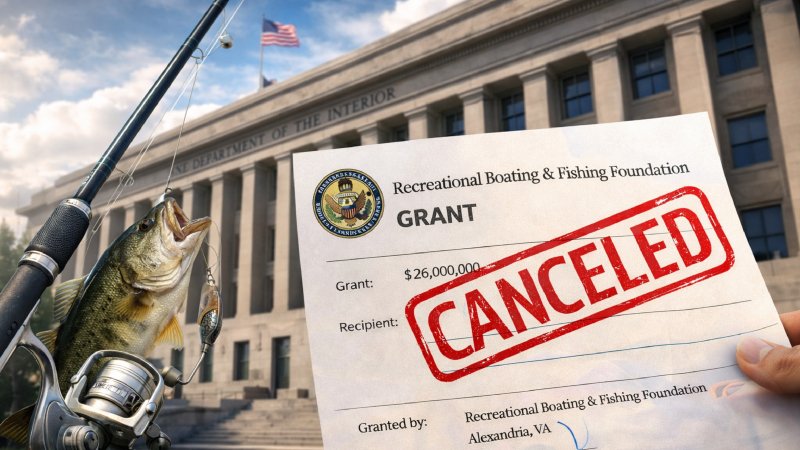
The interior department RBFF grant cancellation has stirred significant attention across the recreational fishing and boating community. This multi-million-dollar grant, previously allocated to the Recreational Boating and Fishing Foundation (RBFF), was designed to promote fishing, boating, and outdoor activities nationwide. Its abrupt cancellation raises questions about the economic impact, program efficiency, and future opportunities for anglers, state agencies, and technical teams supporting these initiatives.
Understanding the implications of this decision is essential for both individual users and organizations working in recreational fishing, boating, and conservation sectors. This article provides an in-depth analysis, highlighting warning signs, pros and cons, best practices, and actionable guidance for navigating this change.
What Is the RBFF Grant?
The RBFF grant has historically funded the Take Me Fishing campaign and other outreach programs aimed at increasing participation in fishing and boating. It is largely financed through excise taxes on fishing equipment and boating supplies. Over the years, this funding has helped:
-
Educate new anglers and boaters
-
Increase fishing license sales
-
Support state wildlife agencies
-
Promote conservation and sustainable practices
Since 2012, RBFF has received over $164 million, with $26 million allocated to multi-year initiatives. The interior department RBFF grant cancellation signals a major shift in how these programs will be supported moving forward.
Why the Grant Was Canceled
The interior department RBFF grant cancellation followed a federal review focused on alignment, accountability, and fiscal responsibility. Key reasons include:
-
Program Misalignment: Funds were determined to have limited alignment with the Department’s core objectives.
-
Overhead Concerns: High executive salaries and third-party contracts, including media and consulting fees, drew scrutiny.
-
Efficiency & Accountability: The Department emphasized the responsible use of taxpayer dollars and the need for measurable outcomes.
While RBFF officials maintain that all programs passed audits and were in compliance, the grant pause has already affected marketing campaigns, participation rates, and state-level operations.
Economic and Industry Impacts
The interior department RBFF grant cancellation has tangible effects on the economy and recreational fishing industry:
| Metric | Impact |
|---|---|
| Fishing license sales | Down 8.6% in 16 states |
| Angler spending | Loss of over $590 million |
| Jobs affected | Approx. 5,600 in the industry |
| Marketing reach | Reduced campaigns in underserved communities |
| State agency operations | Slower outreach and education programs |
RBFF’s contributions have historically supported over 1.1 million jobs and generated billions in tax revenue. The funding pause highlights how critical federal support is for sustaining growth in recreational fishing and boating.
Warning Signs for Stakeholders
Both individual anglers and technical teams should be aware of warning signs indicating challenges from the interior department RBFF grant cancellation:
-
Reduced marketing campaigns leading to lower public engagement
-
Delays in state-level fishing and boating programs
-
Budget reallocations impacting conservation projects
-
Limited outreach to underserved urban communities
-
Increased administrative requirements to secure alternative funding
Monitoring these signs early allows users and teams to adapt and maintain program effectiveness.
Pros and Cons of the Grant Cancellation
Pros
-
✅ Ensures stricter accountability of taxpayer dollars
-
✅ Encourages efficiency in program spending
-
✅ Promotes alignment with Department goals
-
✅ Offers an opportunity to restructure and optimize programs
Cons
-
❌ Immediate drop in fishing license sales and angler participation
-
❌ Short-term loss of jobs and revenue in the recreational fishing sector
-
❌ Reduced marketing and outreach to new audiences
-
❌ Potential delays in conservation and education initiatives
Best Practices for Individual Users and Technical Teams
The interior department RBFF grant cancellation impacts both day-to-day users and technical teams managing programs. Implementing best practices can mitigate negative outcomes:
For Individual Users
-
Stay informed about program updates from state wildlife agencies
-
Participate in community outreach or volunteer programs to support fishing initiatives
-
Explore alternative funding or grant opportunities for local activities
For Technical Teams
-
Align programs with federal and state objectives
-
Optimize budgets to ensure measurable impact
-
Maintain transparency in reporting and auditing
-
Collaborate with community stakeholders to sustain participation and engagement
Strategic Adjustments Post-Cancellation
To adapt effectively after the interior department RBFF grant cancellation, organizations can:
-
Prioritize high-impact outreach programs with measurable results
-
Leverage digital platforms for cost-effective marketing
-
Diversify funding sources to reduce dependency on federal grants
-
Monitor participation metrics closely and adjust strategies proactively
These adjustments are critical for maintaining program momentum and safeguarding economic contributions to the recreational fishing and boating industry.
Comparison Table: Before vs After Grant Cancellation
| Feature | Before Cancellation | After Cancellation |
|---|---|---|
| Annual Funding | Multi-million-dollar RBFF grants | Funding paused or restructured |
| Marketing Campaigns | National media, digital, and social outreach | Reduced campaigns, limited reach |
| State Support | Financial and technical support for agencies | Dependence on alternative funding |
| Job Impact | Stable employment in fishing and boating industry | Short-term job losses possible |
| Industry Growth | $230+ billion industry impact | Slower participation and economic growth |
FAQs About the Interior Department RBFF Grant Cancellation
Q1: What is the purpose of the RBFF grant?
A: It supports fishing and boating promotion, conservation efforts, and state wildlife agencies through campaigns like Take Me Fishing.
Q2: Why did the Interior Department cancel the grant?
A: The Department cited program misalignment, overhead concerns, and the need for accountability with taxpayer funds.
Q3: How will the cancellation affect anglers?
A: Users may experience reduced marketing campaigns, limited outreach programs, and slower growth in participation opportunities.
Q4: What steps should technical teams take?
A: Align programs with objectives, optimize budgets, track metrics, and explore alternative funding options.
Q5: Is RBFF shutting down after the grant cancellation?
A: No. RBFF continues to operate, adjusting compensation, headcount, and investment priorities to maintain operations.
Q6: How can individual users stay engaged?
A: Volunteer, monitor state agency updates, and participate in community-driven fishing and boating programs.
Conclusion: Stay Informed and Act Strategically
The interior department RBFF grant cancellation marks a significant shift for recreational fishing and boating programs in the U.S. While the decision strengthens fiscal accountability, it also presents challenges for industry growth, job stability, and public engagement.
Key Takeaways:
-
Monitor warning signs to respond proactively
-
Follow best practices for program alignment and efficiency
-
Explore alternative funding to sustain outreach and conservation efforts
-
Engage with community initiatives to maintain participation
By staying informed and implementing strategic adjustments, both individual users and technical teams can continue to support the recreational fishing and boating ecosystem effectively. Safety, accountability, and proactive engagement are crucial in navigating this transition.