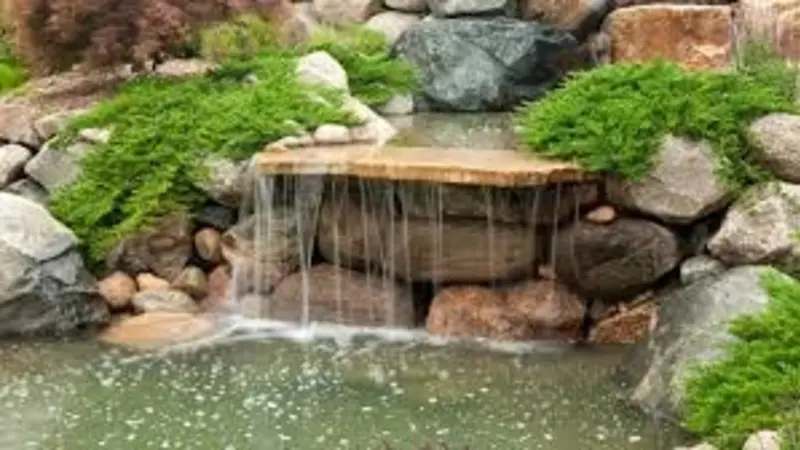
A custom waterfall is more than a water feature—it’s a statement piece that transforms your entire outdoor environment. When designed and built by skilled craftsmen, a waterfall becomes the centerpiece of your backyard, drawing the eye and creating an atmosphere of tranquility and luxury. Understanding the art behind custom waterfall design helps homeowners appreciate the craftsmanship involved and make informed decisions about their own projects.
The Design Process
Every great waterfall begins with a thoughtful design process. Experienced designers start by assessing your property’s natural topography, existing architecture, and how you intend to use the space. They consider sight lines from key viewing areas, the sound profile you want to achieve, and how the feature will integrate with other outdoor elements like patios, pools, and outdoor kitchens.
Modern outdoor waterfall design uses advanced 3D modeling software to help homeowners visualize the finished product before construction begins. This technology allows for adjustments to scale, materials, and placement, ensuring the final result matches your vision.
Material Selection Matters
The materials used in waterfall construction significantly impact both aesthetics and longevity. Natural stone options like granite, limestone, and slate offer timeless beauty and exceptional durability. Each stone type brings unique colors and textures, allowing for truly one-of-a-kind creations. For contemporary designs, polished concrete, glass, and metal elements create sleek, modern statements.
In Florida’s climate, material selection is particularly important. Stones must withstand intense UV exposure, heavy rainfall, and temperature fluctuations without degrading. Professional builders source materials specifically rated for outdoor use in subtropical environments.
Engineering Behind the Beauty
A waterfall that looks effortless requires significant engineering. Proper water flow calculations ensure the cascade produces the desired visual and auditory effect. Pump systems must be appropriately sized and positioned for optimal performance and energy efficiency. Drainage systems prevent water accumulation that could damage surrounding structures or create safety hazards.
Hidden infrastructure includes waterproof liners, filtration systems, and auto-fill mechanisms that maintain water levels. These behind-the-scenes components determine how well your waterfall performs over time and how much maintenance it requires.
Integrating with Landscape and Hardscape
The most successful waterfall designs feel like natural extensions of their surroundings. Rather than appearing as add-ons, they blend seamlessly with existing patios, walkways, and planting beds. This integration requires careful coordination between water feature specialists and hardscape craftsmen.
Lighting design plays a crucial role in integration. Subtle uplighting, underwater illumination, and ambient fixtures extend the waterfall’s impact into evening hours while highlighting surrounding landscape features.
Maintenance Considerations
Even the most beautiful waterfall requires ongoing care. Professional designers build in accessibility for maintenance tasks like pump servicing, filter cleaning, and seasonal winterization. Pondless designs and closed-loop systems minimize maintenance needs while maximizing enjoyment.
Working with experienced professionals who understand both the artistic and technical aspects of waterfall design ensures your investment delivers lasting beauty and value. The right team transforms your backyard into a personal retreat that you’ll enjoy for years to come.